
Rent aerial work platforms and construction machinery in Most
Renting aerial work platforms and construction machinery in Most in northern Bohemia usually means one of two things: working on ground that was an open-cast mine only a few decades ago, or working on plants that stand still within a tight shutdown window. The area around Most (Usti nad Labem Region) is shaped by lignite mining, by power plant and chemical sites, and by the recultivation of the post-mining landscape — backfilling, terrain modelling, reforestation. For scheduling, this results in its own order of priorities: first the load-bearing capacity of the set-up area, then the lifting capacity, and only after that the working height.
Recultivation areas: why load-bearing capacity comes before working height
Backfilled and tipped areas settle over years. They look level and passable, but they behave unevenly under load — one spot carries the weight, two metres further on the ground gives way. Added to this are changing materials in the build-up, and a completely different picture after rain than in dry conditions. This is where the bottleneck of every job around Most lies: not in the machine, but in the surface it stands on. Clarify in advance whether a statement on the permissible ground pressure is available and what the route to the working point looks like.
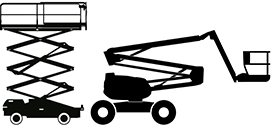
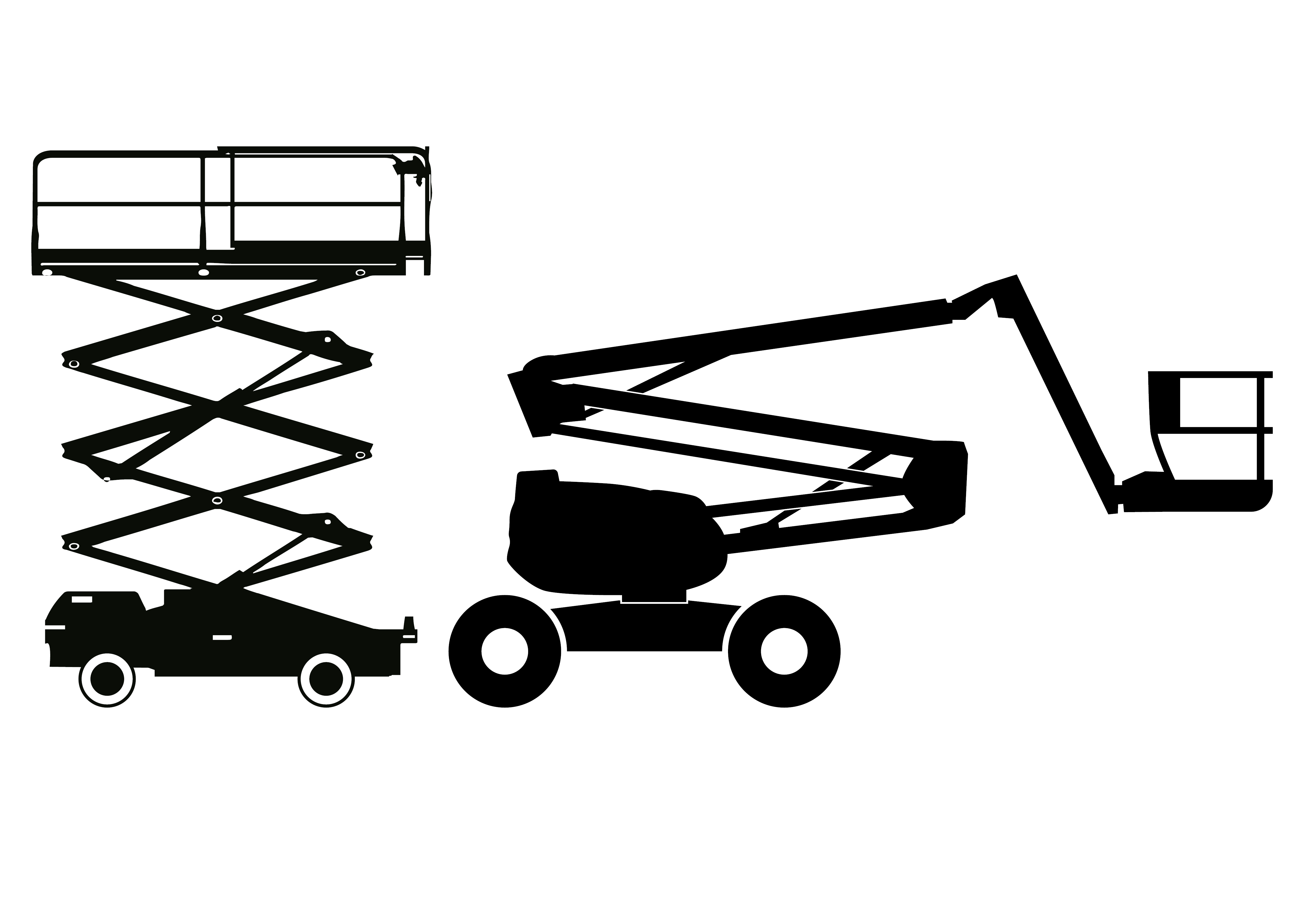
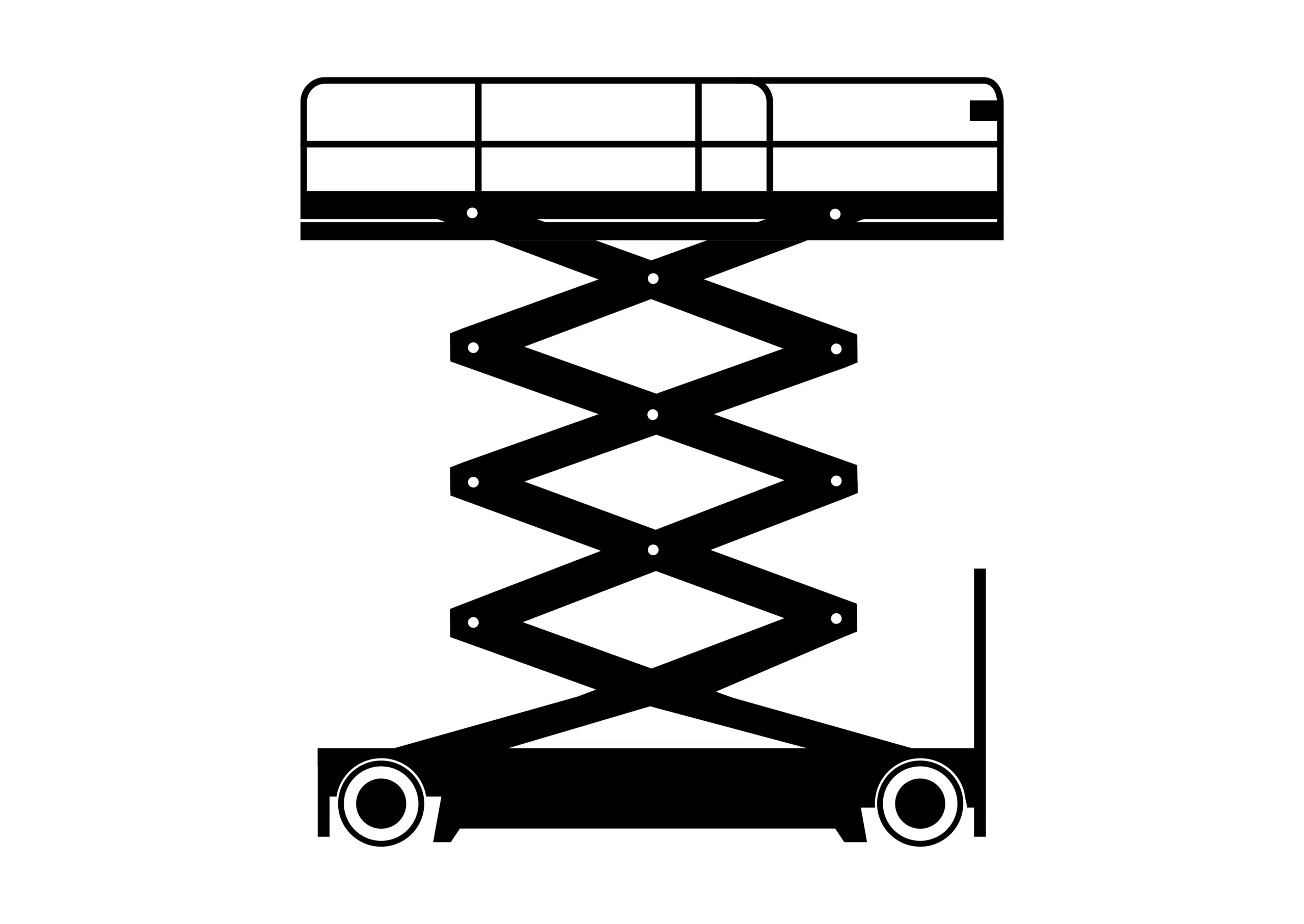
Spider lifts with 13.00 to 39.50 m distribute their weight across the tracked undercarriage and have the lowest ground pressure in the range — on freshly modelled or softened ground, often the only class that reaches the working point. Where the ground carries but is unpaved and uneven, diesel scissor lifts with all-wheel drive are the answer: 9.70 to 34.00 m with up to 1,134 kg platform capacity, the highest in the rental fleet — the class for jobs in which tools, spare parts and several people have to be in the platform at the same time. Behind pipe bridges, conveyor systems and support structures, diesel articulated boom lifts with 11.91 to 48.15 m provide the necessary outreach.
Dismantling open-cast mining and power plant infrastructure
The dismantling of decommissioned installations is a field of its own: conveyor lines and support structures, transfer buildings, track systems, foundations and pipe bridges. Typical features are long project durations, changing working points across a large site, and a machine mix that shifts as the project progresses — first height access for dismantling, later earthmoving for foundation excavation and terrain modelling.
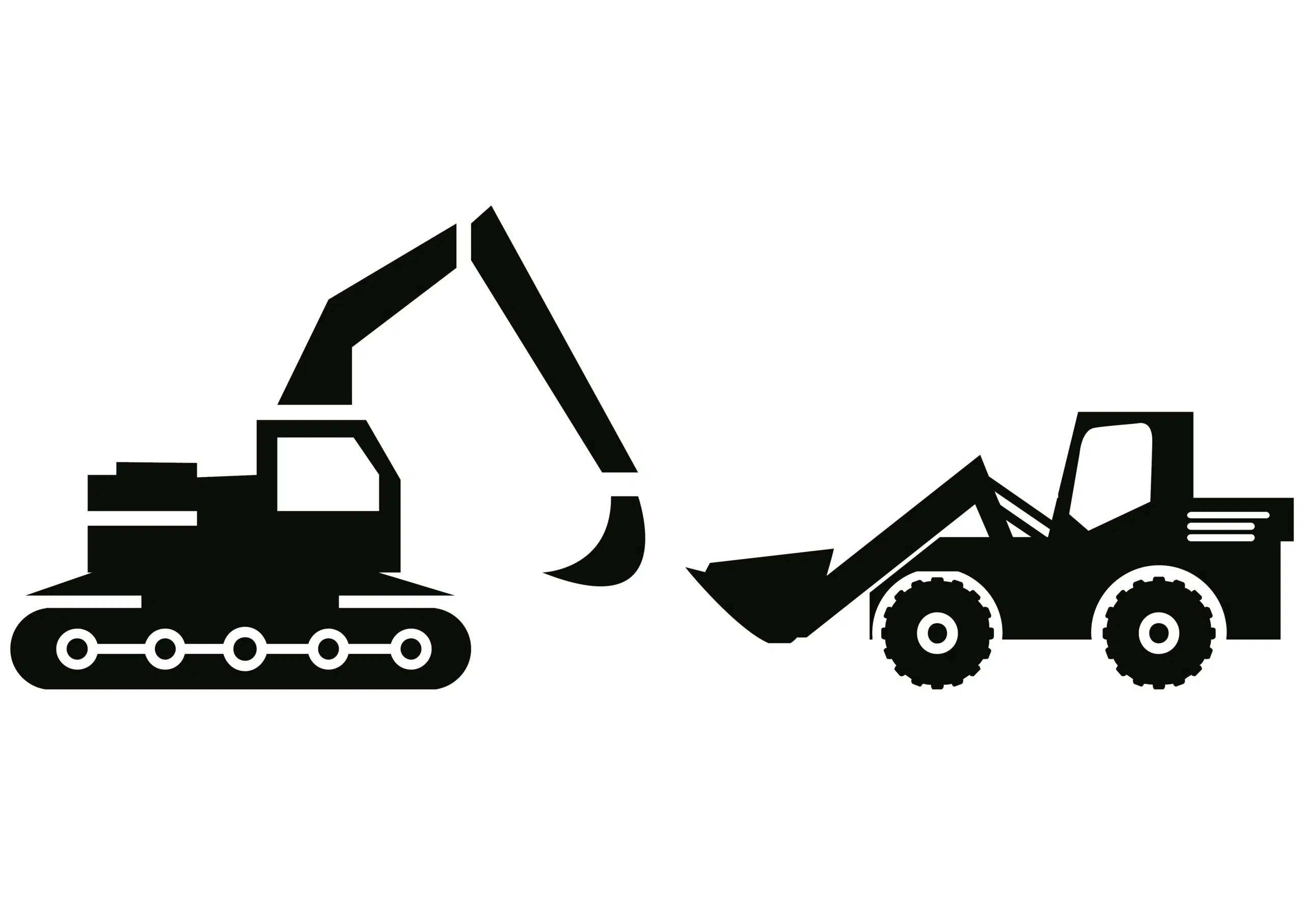
Excavators cover 1.8 to 30 t operating weight for this, a whole toolbox on dismantling sites: the mini excavator works between existing lines and on ground that will not carry heavy equipment; the mid-range classes handle trench excavation and loading; the 30 t class is intended for bulk excavation and foundation removal. Further earthmoving equipment is listed under construction machinery. On the height access side, telescopic boom lifts with 14.00 to 56.90 m are the class with the greatest reach — chimneys, boiler houses and conveyor bridges lie in this range. For these you need a paved area with room for the outriggers.
Shutdown windows on boiler and filter systems
The second focus is the planned overhaul. Boilers, flue gas cleaning, electrostatic and fabric filters, pipework and valves are serviced during shutdowns with fixed dates. These windows are short, and several trades work above one another at the same time.
Two things follow from this. First, the quantity: what is needed is not one platform but a coordinated set — indoors in the boiler house and the filter aisles, all-terrain capable on the outdoor installations. Register your requirement as soon as the overhaul date has been set; by arrangement we reserve machines for fixed time windows. Second, the drive system: in enclosed parts of the plant, electric scissor lifts with 6.30 to 33.00 m are the right choice, and for confined platform levels mast lifts with 10.00 to 12.65 m.
The rental fleet in figures
| Class | Working height | Platform capacity |
|---|---|---|
| Scissor lifts, electric | 6.30 – 33.00 m | 227 – 1,000 kg |
| Scissor lifts, diesel | 9.70 – 34.00 m | 363 – 1,134 kg |
| High-bay scissor lifts | 18.50 – 33.00 m | 450 – 1,000 kg |
| Articulated boom lifts | 10.89 – 48.15 m | 150 – 450 kg |
| Telescopic boom lifts | 14.00 – 56.90 m | 227 – 454 kg |
| Mast lifts | 10.00 – 12.65 m | 200 kg |
| Spider lifts | 13.00 – 39.50 m | 200 – 400 kg |
Telehandlers and forklifts for heavy loads
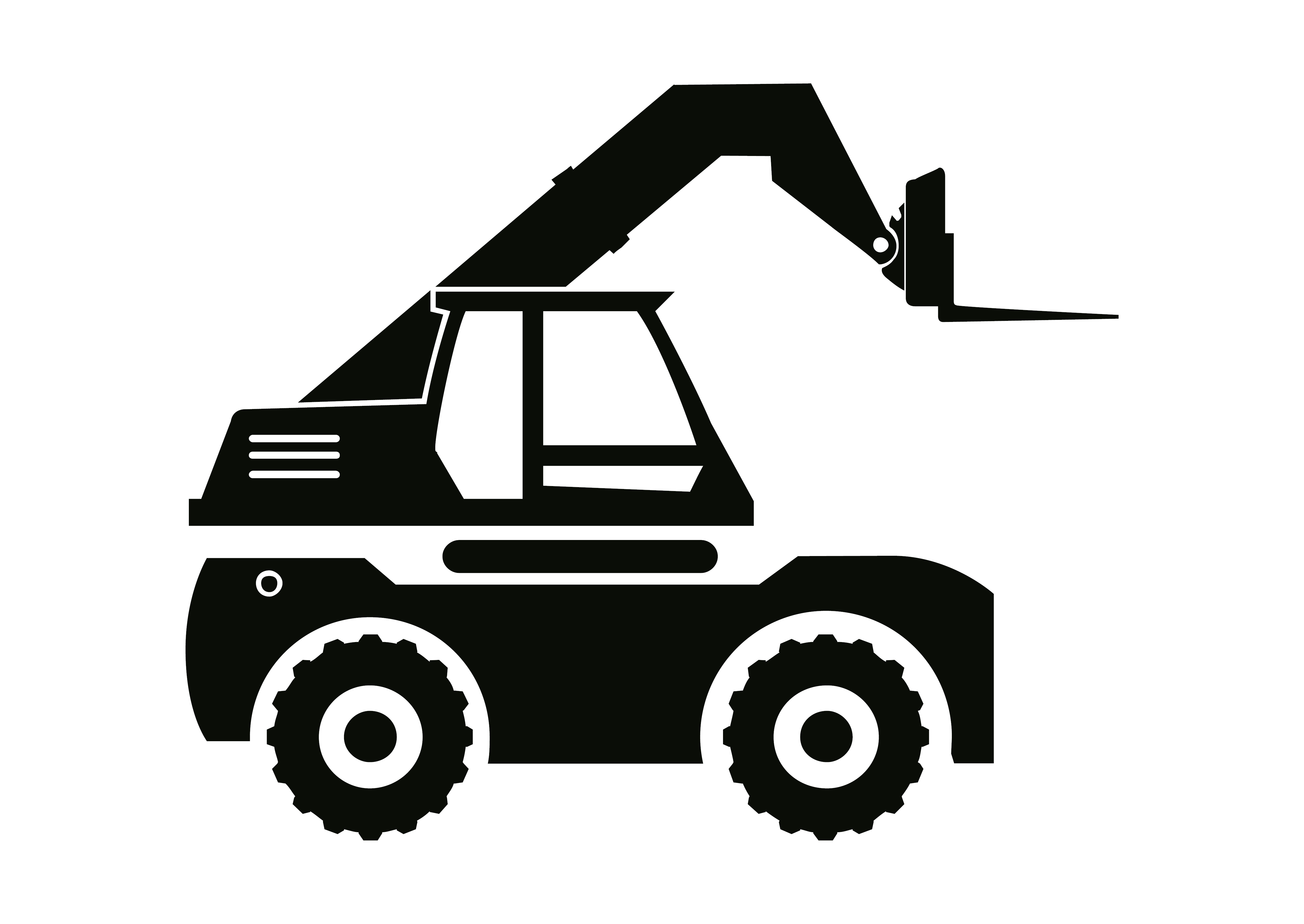
Telehandlers replace the crane on extensive industrial sites for everything that does not strictly require one. Rigid models lift 4.30 to 18.80 m at 1.25 to 25 t; the heavy-duty classes handle plant components and pipe sections for which a standard machine is not sufficient. Where manoeuvring between plant sections is not an option, rotating telehandlers with 15.42 to 38.90 m at 4 to 8 t are the solution. For handling on unpaved terrain, rough terrain forklifts are the right tool; heavy components are moved by heavy-duty forklifts from the range, with 3 to 16 t lifting capacity.
Test certificate, documentation and operator duties
A test certificate, CE documentation and operating instructions are supplied with every machine; at power plant and chemical sites these are regularly requested on entry to the works. The law of the country of use always applies. In the Czech Republic this is government regulation NV 378/2001 Sb. with its own annex for equipment for lifting loads and people; testing is carried out to CSN EN 280. The Labour Code (Zakonik prace, 262/2006 Sb.) and Act 309/2006 Sb. form the legal framework.
We document the condition of the machine; you assess the hazards at the workplace and instruct the operators. At plant locations, site requirements are added — access and driving permits, safety briefings, clearances for work close to installations. The check of visual condition and function before the first use of the day is also the operator's responsibility.
Transport to Most
The distance from Passau to Most is around 310 km. Usti nad Labem lies in the same region; jobs in both cities can be scheduled in a single run. On recultivation and dismantling sites, the last stretch of the route is often decisive: a low-loader needs a paved unloading point with a turning radius, and from there the machine has to reach the working point under its own power. For long-running projects we invoice at long-term rental rates.
Before you enquire, it is worth looking at the designs: at Rent a lifting platform you will find all platform types from the scissor lift to the truck-mounted platform with their strengths, typical applications and operator duties.
