
Rent aerial work platforms and construction machinery in Pardubice
Aerial work platforms and construction machinery for Pardubice rarely arrive on a greenfield site. The city lives from the chemical industry, electronics manufacturing and one of the country's most important railway hubs - three environments in which the pace is not set by the machine but by the operator's permit procedure. Whether a platform may reach the work position is decided by the hazardous area classification, the work permit and the time window the plant can release. Anyone who takes this into account when enquiring receives the right machine.
Plant maintenance in the chemical industry: hazardous area classification precedes equipment selection
On a chemical site the grounds are divided into areas of differing hazard. The hazardous area classification - where an explosive atmosphere must be expected - is determined solely by the plant operator, as is the work permit. This determines which equipment is approved at which location; the sequence is therefore always the same: first clarify zone and permit, then select the machine.
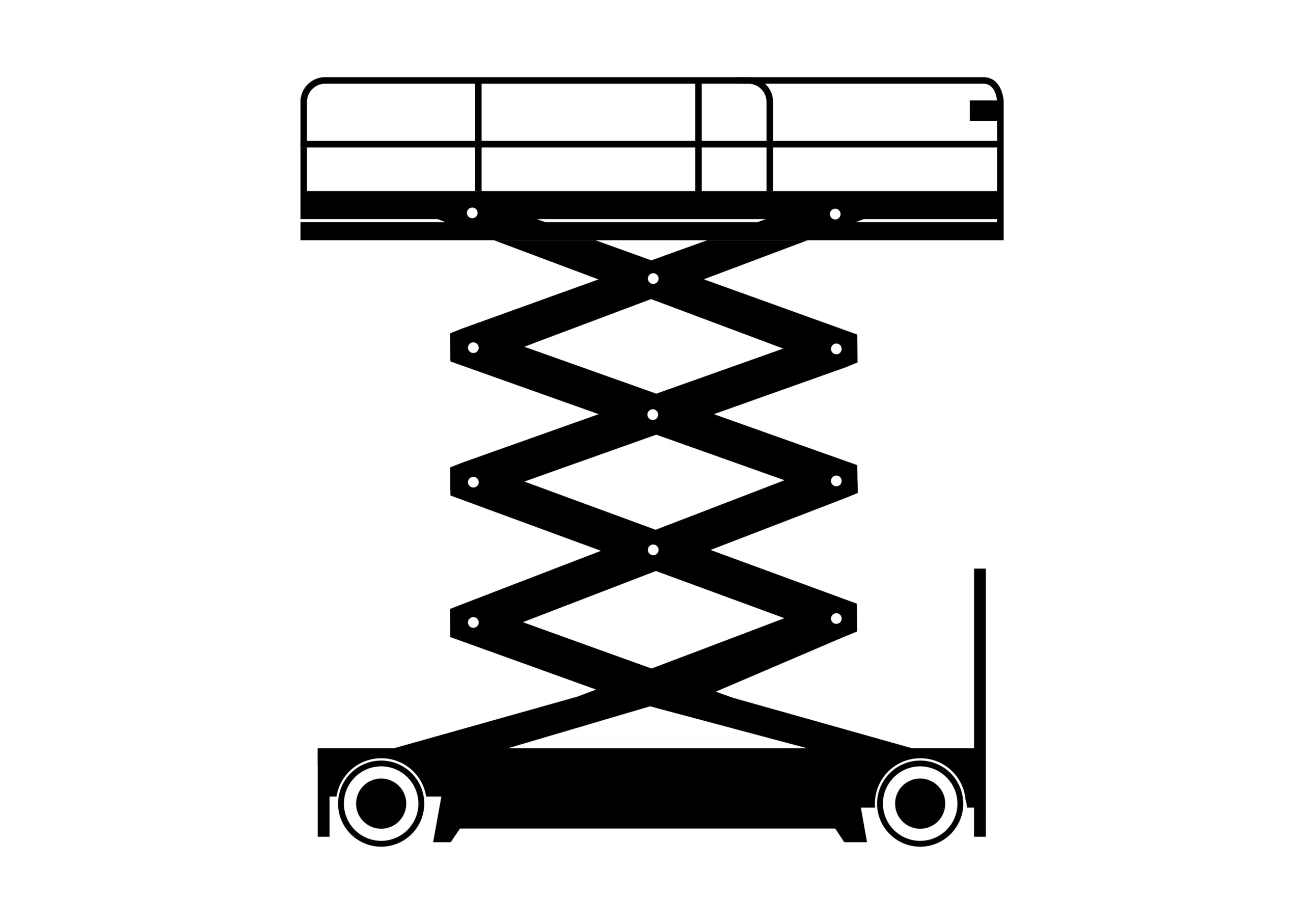
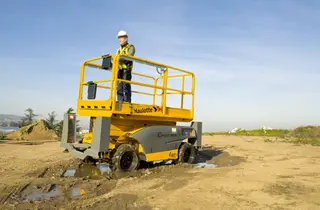
Clarify in advance with your plant safety department whether the set-up position and the work position lie within a classified zone, which conditions the permit imposes (accompaniment, gas monitoring, hot work permit, ban on flying sparks) and whether the deployment is tied to a plant shutdown. In released areas that are not zone-classified, the usual selection applies: electric scissor lifts with 6.30 to 33.00 m on level ground, diesel scissor lifts with 9.70 to 34.00 m and up to 1,134 kg platform capacity on unpaved surfaces. Register your requirement as soon as the inspection date has been set.
Pipe racks and columns: outreach replaces the missing set-up area
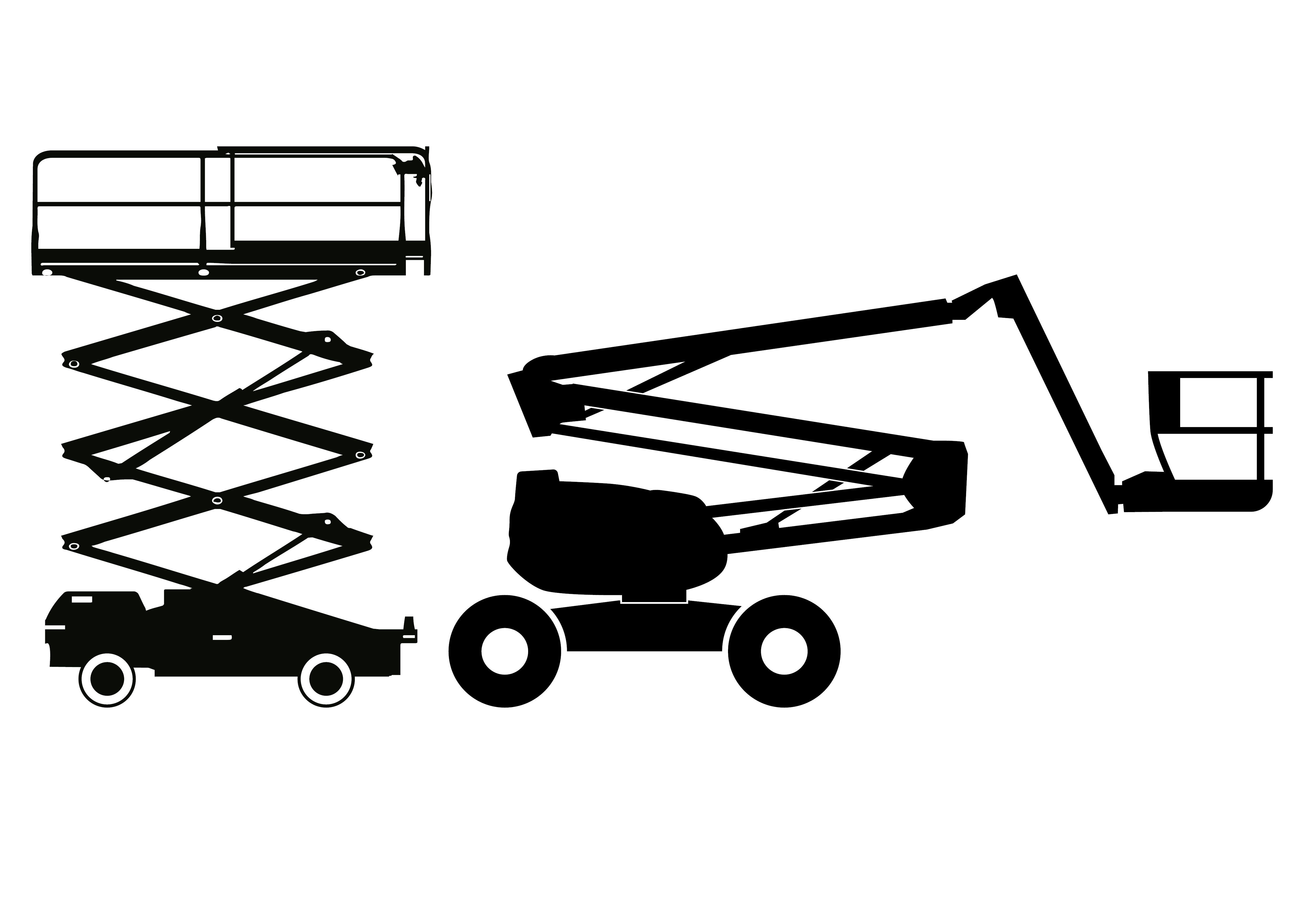
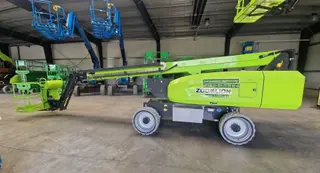
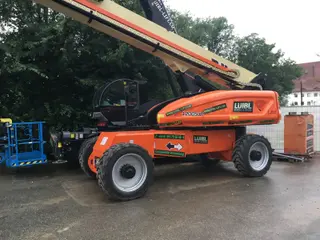
The typical picture on a chemical site: the work position is high up, and directly beneath it stands a pipe rack, a tank bund or a pump group. A machine that lifts vertically cannot get there. This is why the articulating boom lift with 10.89 to 48.15 m is the workhorse of these deployments: it stands beside the plant and guides the platform over pipework and spill containment with its articulated arm. Where it is purely a question of height - columns, flares, chimneys - telescopic boom lifts with 14.00 to 56.90 m deliver the greatest reach, provided a paved set-up area with room for the outriggers is available. If neither is available, spider lifts with 13.00 to 39.50 m remain.
Three details make such an enquiry reliable: the horizontal distance from the set-up position to the work position, the height of the obstacle and the weight of personnel plus tools and material - the last point is regularly underestimated.
Working at the railway hub: track possessions determine the schedule
Pardubice is a junction of the Czech railway network, and a considerable share of the work at height takes place close to the tracks: at platform canopies, lighting masts, signalling and overhead line equipment, at halls and ramps on the logistics areas. The rules of the infrastructure manager apply there: work in the track area takes place during track possessions that are applied for in advance, and the set-up, slewing range, safety lookouts and minimum clearances to live overhead line equipment are specified by the operator.
For machine selection, what counts above all is the set-up time: whatever is needed during a night-time possession must be ready for work quickly and out of the danger area just as quickly - truck-mounted platforms play out this advantage on paved ground. If traffic continues alongside, a machine with a clearly limited footprint is preferable to wide-spreading outriggers.
On the adjacent handling areas, high-rack scissor lifts with 18.50 to 33.00 m take on the work in narrow racking aisles, and in electronics manufacturing mast lifts with 10.00 to 12.65 m and compact electric scissor lifts - there, locally emission-free drive, non-marking tyres and the clearance height are decisive.
The rental fleet in figures
| Class | Working height | Platform capacity |
|---|---|---|
| Scissor lifts electric | 6.30 - 33.00 m | 227 - 1,000 kg |
| Scissor lifts diesel | 9.70 - 34.00 m | 363 - 1,134 kg |
| High-rack scissor lifts | 18.50 - 33.00 m | 450 - 1,000 kg |
| Articulating boom lifts | 10.89 - 48.15 m | 150 - 450 kg |
| Telescopic boom lifts | 14.00 - 56.90 m | 227 - 454 kg |
| Mast lifts | 10.00 - 12.65 m | 200 kg |
| Spider lifts | 13.00 - 39.50 m | 200 - 400 kg |
Telehandlers, excavators and forklifts for industrial sites in the Pardubice Region
On industrial sites the telehandler is the usual carrier for material and attachments: rigid models with 4.30 to 18.80 m at 1.25 to 25 t capacity, rotating machines with 15.42 to 38.90 m that work all round from a single set-up - between plant sections, where repositioning would mean a new permit, a tangible advantage. For halls there are electric models with 5.85 to 30.00 m.
Excavators from 1.8 to 30 t operating weight cover service trenches, foundations, dismantling and site development, plus counterbalance forklifts from 3 to 16 t and high-lift stackers with 2.70 to 5.50 m lift height.
Certificates, permits and operator duties side by side
Every machine is handed over inspected, with a valid inspection certificate, CE documentation and operating instructions. We maintain inspection intervals and maintenance history for the entire rental fleet - in plants with a permit procedure, this is the document requested before the first day of use.
The law of the place of use always applies, for Czech sites therefore NV 378/2001 Sb. together with its annex on the lifting of loads and persons, CSN EN 280 for the inspection of mobile elevating work platforms and, as the statutory framework, Zakonik prace (262/2006 Sb.) and Zakon 309/2006 Sb. This leaves untouched the operational procedures - hazardous area classification, work permit, track possession, safety measures - which lie with the operator. We supply the inspected machine and its documentation; risk assessment, operator instruction and the check before work begins remain in your hands.
Which design suits your job? The overview Rent a lifting platform – all platform types at a glance explains scissor lifts, articulating and telescopic boom lifts, mast, spider and truck-mounted lifts and shows what the rental price depends on.
