
Rent construction machinery in Bremen: excavators, telehandlers, lifts
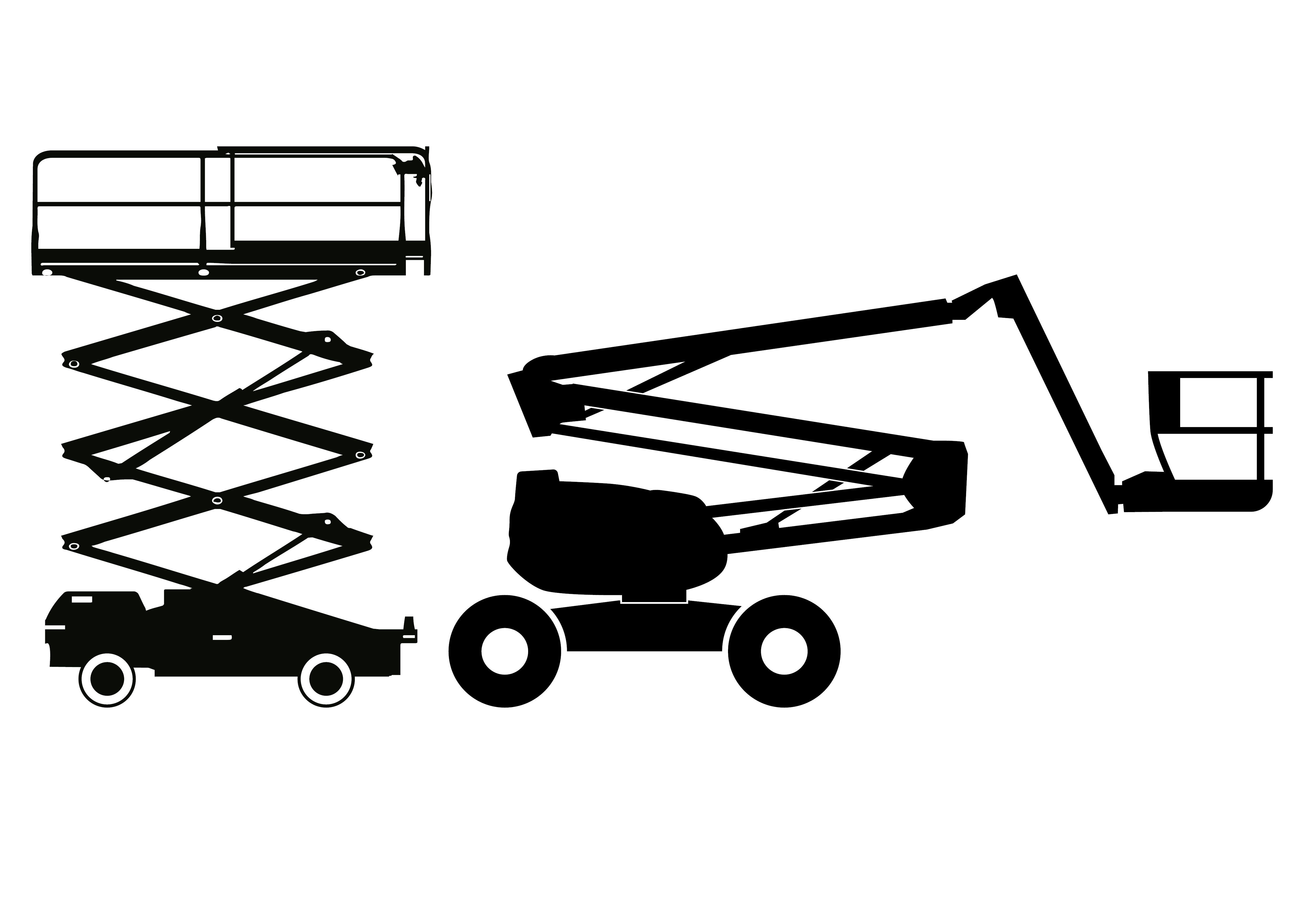
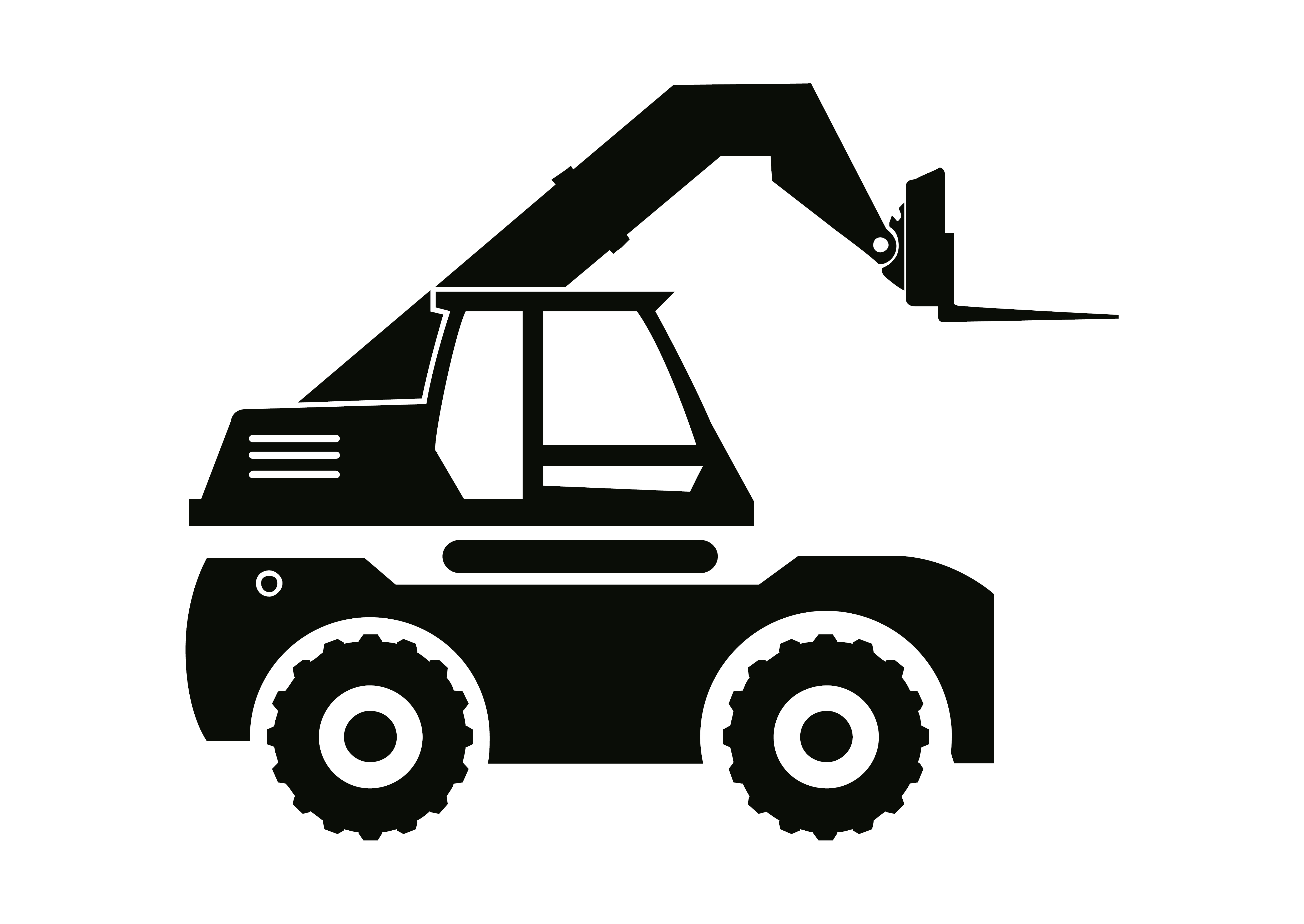
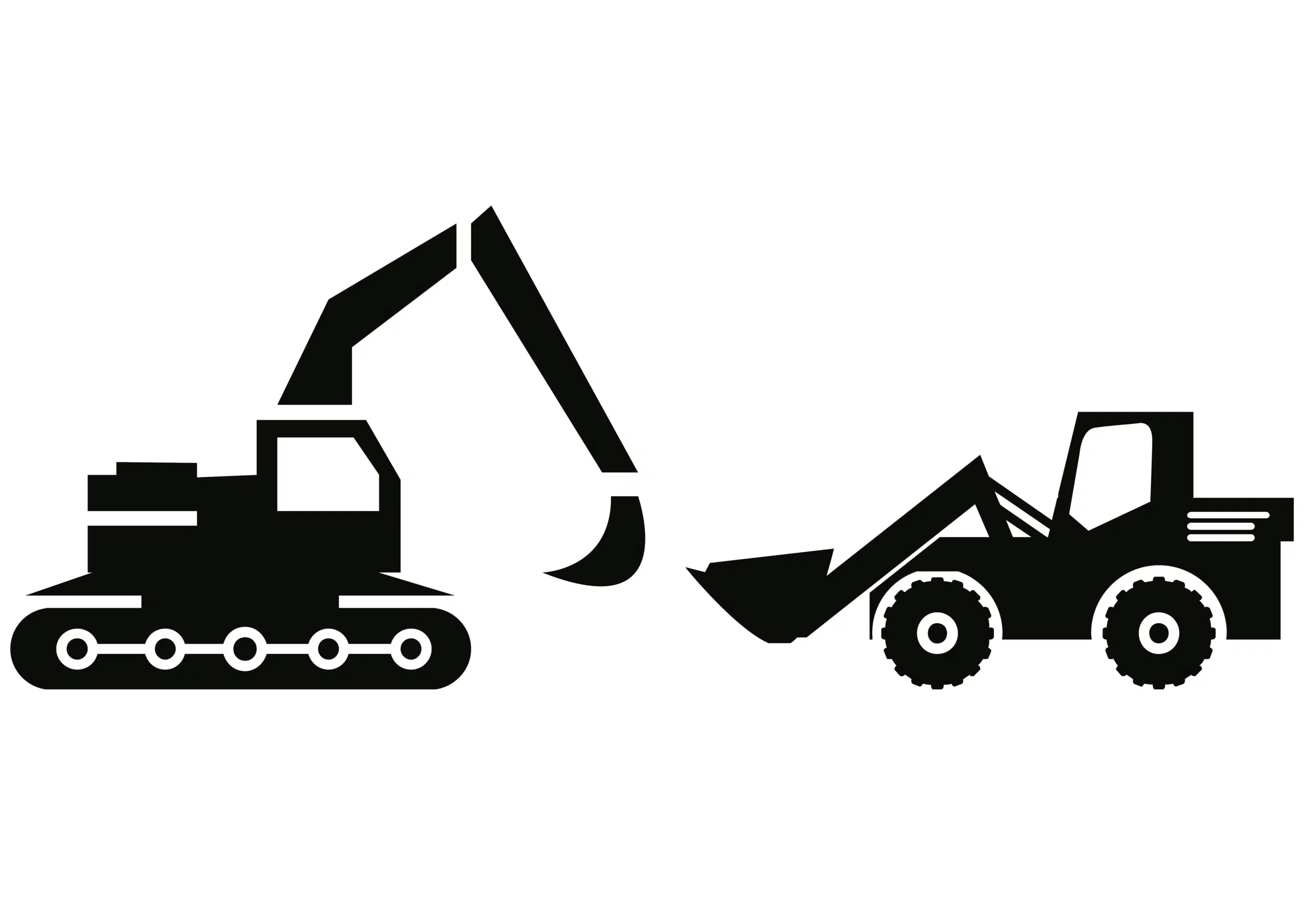
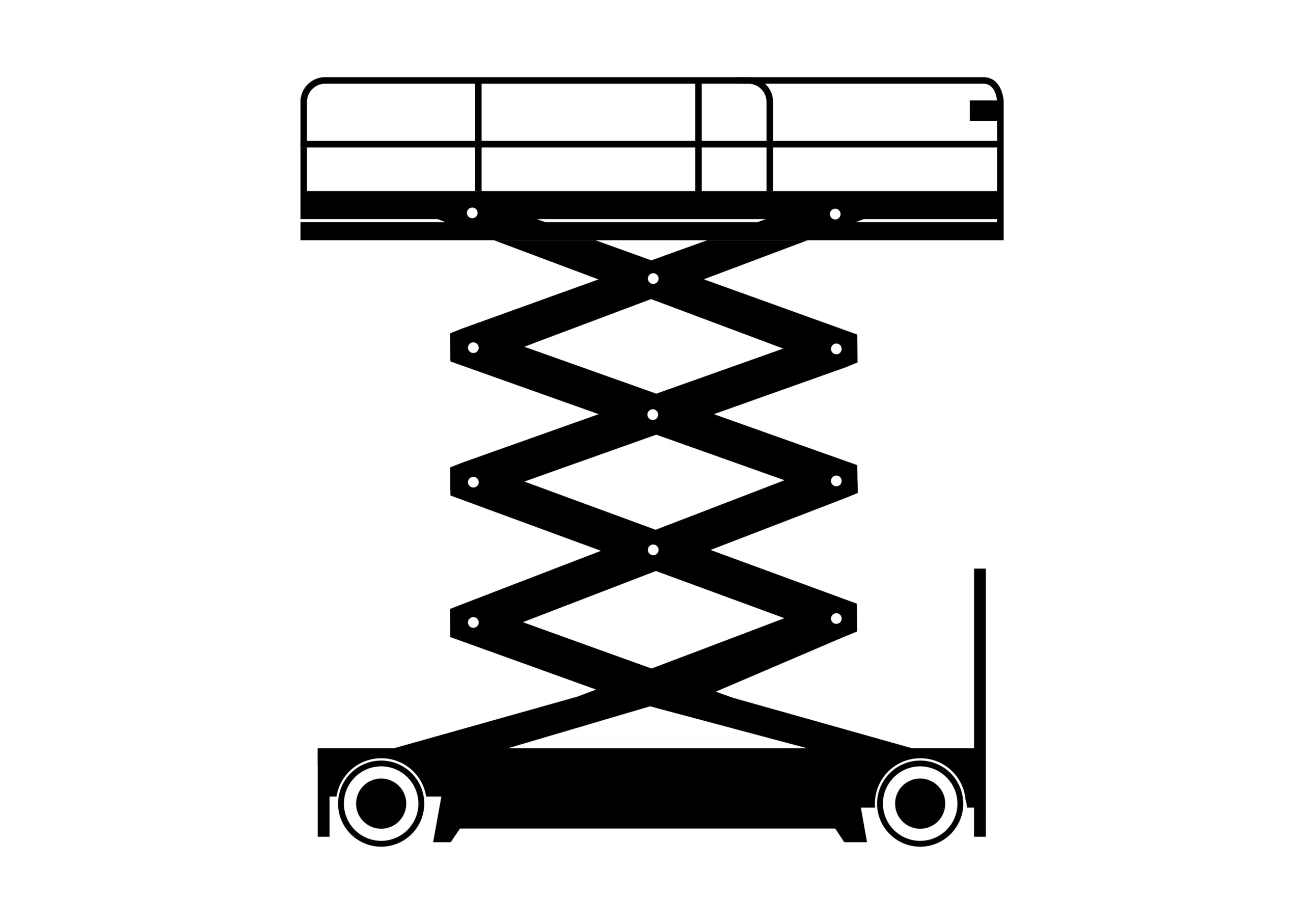
Bremen builds on two very different subsoils and at two very different scales. On one side there is the port and industrial axis along the Weser: the Ueberseestadt quarter, the industrial docks, the Neustaedter Hafen, the freight village in the south, plus the plant and logistics sites in Hemelingen and Sebaldsbrueck. On the other there is the narrow, largely listed old town between Marktplatz, Schnoor and Boettcherstrasse — and in between housing, school and hospital projects, grid expansion and flood defence work. Both need the same two things: a machine that suits the access route and the ground on site, and transport that fits your construction schedule. This page maps our rental fleet to the situations you actually meet in Bremen — with the figures you really select on.
Which machine suits which site in Bremen?
Bremen is not a city with one type of site. The scale runs from a service connection in a terraced street in Findorff to heavy assembly work on an industrial estate on the Weser. Three questions decide the choice, and they are the same everywhere: how does the machine reach the site, what will the ground carry, and what height or depth does it have to reach.
Earthworks, utilities, demolition: excavators from 1.8 to 30 tonnes
Our excavator fleet covers the full range from interior work to civil engineering:
- 1.8 t mini excavators — fit through courtyard entrances and onto construction hoists; intended for interior demolition, service connections and landscaping in the tight quarters of the old town, in Das Viertel and in the Neustadt district
- 3.5 to 8.5 t compact excavators — the standard class for service trenches, foundations and excavation pits in built-up areas
- 14 to 30 t crawler excavators — for bulk earthmoving, demolition and civil engineering on the large sites in the Ueberseestadt, in the industrial docks and along the A1, A27 and A281 motorways
In Bremen the choice is rarely decided by digging depth. Two other points matter more: the width of the access route and the bearing capacity of the ground. Measure the first and clarify the second before you enquire — on marsh soil the second is a subject in its own right, and there is more on it below.
Lifting material where there is no crane: telehandlers
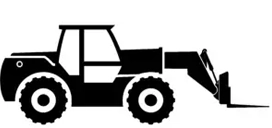
Telehandlers are the workhorse for material distribution, pallet handling and assistance with assembly on sites without a tower crane. There is a dedicated page for Bremen.
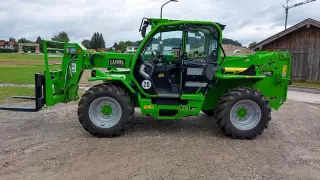
- Fixed telehandlers: 4.30 to 18.80 m lifting height at 1.25 to 25 t — the broadest class, from a compact yard loader replacement to a heavy-duty machine
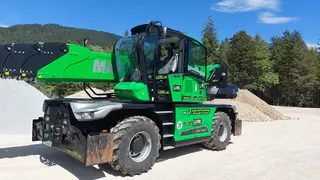
- Roto telehandlers: 15.42 to 38.90 m at 4 to 8 t, with a slewing upper structure. A rotating telehandler works through a full circle from one set-up — the decisive advantage wherever repositioning costs time, or is simply impossible between a quay edge and a hall wall
- Electric telehandlers: 5.85 to 30.00 m at 2.5 to 7 t, locally emission-free for work inside buildings and in ongoing operation
Please state the attachments you need — fork, bucket, work cage, lifting hook — with your enquiry, because they change the permissible load.
Handling in port, hall and warehouse: forklifts and high-lift stackers
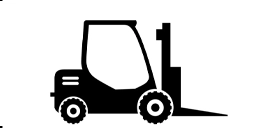
For the logistics sites at the freight village, for the handling operations at the industrial docks and for workshop and warehouse businesses across the city: counterbalance forklifts from 3 to 16 t, including all-terrain forklifts for unpaved storage yards and heavy-duty forklifts for precast concrete, coils and machine moves. Electric forklifts run locally emission-free and quietly, which makes them the choice for work inside a hall. High-lift stackers with 2.70 to 5.50 m lifting height and 1.2 to 2.0 t cover in-house handling. The Bremen overview is on the page forklift rental in Bremen.
Where loads have to be placed precisely over an obstacle, cranes are the better choice. The mini crane passes through door openings and works inside buildings — for glazing, facade and plant assembly in existing structures; there is a Bremen page for that as well.
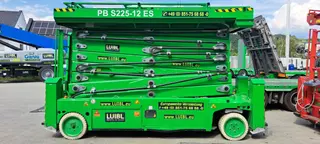
Aerial work platforms for Bremen: height, outreach, drive
Access at height is part of the job on almost every larger site in the Bremen area — on facades and hall roofs just as much as on crane runways, pipe bridges and lighting installations in the port. The choice depends on four figures: working height, outreach, ground conditions and the emission requirement.
Indoors and on firm ground: scissor lifts
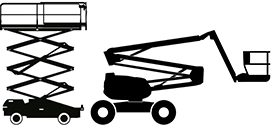
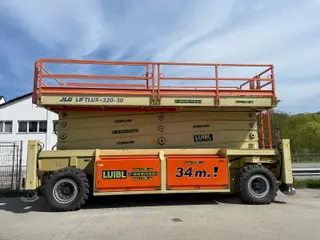
Electric scissor lifts work locally emission-free and leave no marks on the surface, and they have the largest platform area of all classes — 6.30 to 33.00 m working height at 227 to 1,000 kg platform load. For high-bay warehouses of the kind found at the freight village and in the logistics halls on the edge of the city there are high-rack scissor lifts with 18.50 to 33.00 m; a narrow-aisle scissor lift reaches shelving that a standard machine cannot approach. Diesel scissor lifts with four-wheel drive reach 9.70 to 34.00 m and up to 1,134 kg platform load — the class with the highest capacity in the programme, intended for outdoor sites with material in the basket.
One rule of thumb that regularly leads to the wrong order: calculate the platform load from people plus material, not from people alone. Two fitters with tools and assembly material are quickly over 300 kg — which rules out the 227 kg models even though the working height would have been right.
Reaching over obstacles: articulating and telescopic boom lifts
Articulating boom lifts use a knuckle arm to reach working points behind obstacles — 10.89 to 48.15 m, up to 28.00 m in the electric versions. Typical in Bremen: work on hall structures, silos, loading bridges and plant components where the vehicle cannot stand directly beneath the working point. Telescopic boom lifts deliver the greatest working height in the fleet at 14.00 to 56.90 m, but they need a paved, load-bearing set-up area and room for the outriggers; the Bremen overview is on the page telescopic boom lift rental in Bremen.
For tight access and sensitive surfaces: spider lifts with tracked undercarriage, low ground pressure and narrow transport width at 13.00 to 39.50 m — on marsh soil and in planted courtyards often the only workable solution. Mast lifts at 10.00 to 12.65 m are the lightest class and pass through standard doorways. Where the platform only has to stand briefly at changing points, for instance on maintenance rounds across the city, truck-mounted platforms are the quickest option, because repositioning does not require a low-loader.
The rental fleet in figures
| Class | Working / lifting height | Capacity |
|---|---|---|
| Scissor lifts electric | 6.30 – 33.00 m | 227 – 1,000 kg |
| Scissor lifts diesel | 9.70 – 34.00 m | 363 – 1,134 kg |
| High-rack scissor lifts | 18.50 – 33.00 m | 450 – 1,000 kg |
| Articulating boom lifts | 10.89 – 48.15 m | 150 – 450 kg |
| Telescopic boom lifts | 14.00 – 56.90 m | 227 – 454 kg |
| Mast lifts | 10.00 – 12.65 m | 200 kg |
| Spider lifts | 13.00 – 39.50 m | 200 – 400 kg |
| Fixed telehandlers | 4.30 – 18.80 m | 1.25 – 25 t |
| Roto telehandlers | 15.42 – 38.90 m | 4 – 8 t |
| Electric telehandlers | 5.85 – 30.00 m | 2.5 – 7 t |
| Excavators | — | 1.8 – 30 t operating weight |
| Counterbalance forklifts | — | 3 – 16 t |
| High-lift stackers | 2.70 – 5.50 m | 1.2 – 2.0 t |
The tallest machine in the fleet reaches 56.90 m working height. All values are ranges across the respective class; the individual figures for each machine are in the data sheet we attach to every quotation.
Marsh, clay and tide: what sets Bremen apart
The ground in Bremen is the point where machine selection here differs from other cities. Large parts of the urban area lie in the Weser marshland: cohesive clay soils, peat layers in places, a high water table and correspondingly low permissible bearing pressure. The Geest areas to the north and east carry considerably more. The two can change within a few hundred metres — a surface on which a roto telehandler stood last week says little about the plot next door.
In practical terms this means:
- Calculate the bearing pressure, not the total weight. What matters is the load per outrigger pad, or per square centimetre of track contact, and not the tonnage on the data sheet. We supply the load charts with every machine; the ground investigation report and the release of the set-up area remain with the client.
- Plan for load-spreading mats. On clay and peat soils, spreader plates belong under every outrigger. This is not an accessory to be improvised on site — it belongs in the enquiry.
- Tracks before wheels wherever the surface is soft or unevenly compacted. Spider lifts and crawler excavators spread the load over a far larger area.
The second special case in Bremen is working on and over water. The Weser is tidal within the city; at quay edges, locks, bridges and dykes the working window follows the tide and the water level, not the construction schedule. Dykes and dyke protection strips are subject to separate access rules issued by the responsible dyke association — the permit needs lead time and is often applied for late. Quay edges are a subject of their own: the permissible distance from the outriggers to the edge is set out in the port or site regulations of the operator and must be clarified before delivery.
The third special case is work on existing buildings in the old town. Between Schnoor, Boettcherstrasse and Marktplatz the exclusion criteria are access width, headroom and the permissible load on the paving, not the working height. Here the light classes win: mini excavator, mast lift, spider lift, mini crane — machines that fit through a standard door or a courtyard entrance and leave no marks on a sensitive surface.
Transport to Bremen and the Lower Weser
Transport runs on our own low-loaders and through partner hauliers; we agree the delivery date with your construction schedule. The delivery area covers the city of Bremen with all its districts as well as Bremerhaven, Delmenhorst, Oldenburg, Verden, Osterholz-Scharmbeck, Achim and the whole surrounding area along the Lower Weser and the Wuemme. The same arrangements apply to projects in Hamburg and Hanover; the page construction machinery rental in Lower Saxony gives an overview of the region, and construction machinery rental in Germany a nationwide one.
Three points regularly cause delays on delivery in Bremen and can be settled in advance:
- Access for the low-loader — turning radii, room to turn around, and the bearing capacity of the access road and site road. In the port districts there are also works and port entrances with their own registration procedures and opening hours.
- Unloading area — a paved, clear surface on which the machine can come off the low-loader without shunting first.
- Bridge and height restrictions — there are restrictions in the city and on the approaches to the port areas that may mean a different route for heavy transport.
For requirements running over several months we invoice at long-term rental rates, which are considerably cheaper than a daily rate. We calculate combinations of a platform and a telehandler as a package: one transport and one invoice instead of two.
Inspection, documentation and operator duties
Every machine leaves us with a valid inspection record, CE documentation and operating instructions; we maintain inspection intervals and service histories for the entire fleet.
- Legal framework: the German Industrial Safety Regulation (Betriebssicherheitsverordnung, BetrSichV) and DGUV Regulation 1; for mobile elevating work platforms the recurring inspection under DIN EN 280 applies.
- Operator qualification: DGUV Principle 308-008 applies to mobile elevating work platforms and DGUV Principle 308-001 to industrial trucks. We arrange training on request.
- Fall protection: personal fall protection equipment is mandatory on telescopic boom lifts, articulating boom lifts and truck-mounted platforms; the briefing takes place at handover.
- What stays with you: the risk assessment, the written operating instruction for the driver, and the visual and functional check before every shift — regardless of whether the machine is rented or owned.
- Public land: setting up on a pavement, parking strip or carriageway requires a special use permit, and an additional traffic order if moving traffic is affected. In Bremen the Office for Roads and Traffic is responsible; the applicant is the client or the contractor carrying out the work, not the rental company.
Rent construction machinery → | Rent aerial work platforms → | Send an enquiry →
Europe-wide delivery:
and many more! Simply send us an inquiry for your location.
All brands available at Luibl!
Before you enquire, it is worth looking at the designs: at Rent a lifting platform you will find all platform types from the scissor lift to the truck-mounted platform with their strengths, typical applications and operator duties.
Rental equipment in Bremen at a glance
Go straight to the right equipment page for Bremen:
